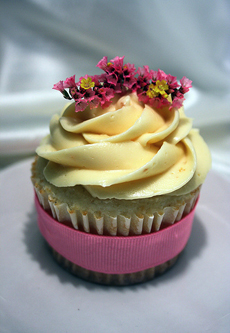
Here are some the most common edible flowers that can easily be incorporated into everyday cooking and garnishing: foods as well as beverages. You can freeze them in ice cubes to decorate light-colored drinks.
Generally, small clusters of leaves are taken from the main blossom; or in case of larger flowers, individual leaves are plucked and scattered.
Gardeners: You can grow your own, enjoy the flowers, and then, in many cases, eat the plant.
| Flower |
|
Allium: Onion-Like
Beautiful, aren’t they? All blossoms from the allium family—chives, garlic, garlic chives and leeks—are edible and delicious.
What a bewautiful plate garnish they make: blossoms and stems. |

Allium blossoms. Photo Andy Mabbett | Wikipedia. |
Angelica: Licorice-Like
Flowers range from pale lavender-blue to deep rose and have a licorice-like flavor. |

Angelica blossoms. Photo courtesy PX Here. |
Anise & Hyssop
Another delicate white blossom. Both flowers and leaves have a subtle anise or licorice flavor.
|

Anise blossoms. Photo courtesy PX Here. |
Arugula: Peppery
The flowers of herbs and greens, including arugula, chive, dandelion, kale and mustard, are delicious and generally have flavor reminiscent of the mature vegetable.
Arugula flowers are peppery, like the leaves. They range in color from white to yellow with dark purple streaks.
Use them to garnish salads, soups or other savory dishes.
|
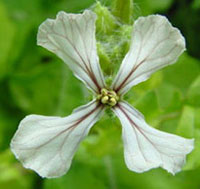
Arugula blossoms. Photo courtesy Purdue University Department of Agriculture. |
Bachelors Button: Grassy
The petals of these pretty pale blue blossoms are grassy in flavor. Avoid the bitter calyx in the center.
|

Bachelors buttons. Photo courtesy PX Here. |
Basil: Like Anise
If your potted basil sprouts blossoms, enjoy them! The flavor is similar to the leaves, but milder. |

Basil blossom. Photo courtesy PX Here. |
Bee Balm: Minty
These bright red pointed petals have a minty flavor.
Use them in salads or a garnish with grilled lamb or pork. But their color makes them especially lovely with desserts.
|

Bee balm blossoms. Photo courtesy PX Here. |
Borage: Cucumber-Like
Borage flowers were formerly an essential ingredient in cider or wine. Now, they are used primarily as a garnish, especially for gin-based cocktails, salads, dips and cucumber soups—they have a refreshing, cucumber-like flavor.
Their flavor also makes them a delightful accompaniment to poached seafood. The leaves of the plant can be used to season cabbage (two parts cabbage, one part borage).
|
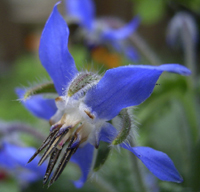
Borage blossom. Photo courtesy Wikipedia. |
Calendula or Pot Marigold: Saffron-Like
Calendula’s golden petals range from a bitter spiciness to a tangy pepper flavor. The vibrant yellow calendulas are an inexpensive alternative to saffron, though not quite as pungent.
They are most commonly used to add golden hues to foods. When sautéed with onions and added to a broth with rice, calendula petals make a rich Spanish paella. The petals are also popular scrambled with eggs or stirred into soups.
|
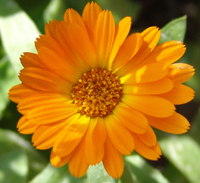
Calendula blossom. Photo courtesy Wikipedia. |
Carnation
Carnations are a familiar flower, and grow in shades of white, pink and red. The are edible, although don’t produce a primary food like herbs do.
Carnations are members of the poppy family. Their sweet, petals have the perfumy flavor of the flower’s aroma. There are different varieties, which is why the photo looks different (nicer!) than the typical florist’s carnawtions. |

Carnation blossom. Photo courtesy PX Here. |
Chamomile: Apple-Like
Chamomile blooms faintly resemble the scent and flavor of freshly cut apples. If they look like daisies, it’s because they’re a member of the same family.
Chamomile flowers have been used for centuries in tisanes, especially in Europe, Latin America and the U.S., as a calming sleep aid, for fever or stomach treatments and as an anti-inflammatory.
The petals are frequently mixed into sour cream or pounded into butter, and then added to baked potatoes for a punch of flavor.
|

Chamomile blossoms. Photo courtesy PX Here. |
Chervil
The delicate blossoms have a subtle anise flavor. You can substitute tarragon or yarrow blossoms.
Pick the individual petals (actually, a group of petals) to garnish sweet or savory foods.
They’re especially lovely on a chocolate (or other dark) dessert, and for shower luncheons. |

Chervil blossom. Photo courtesy PX Here. |
Chicory
These petals are mildly bitter and earthy, like the lettuce, which follow the end of flowering.
Some people pickle the buds, like capers. |

Chicory blossom. Photo courtesy PX Here. |
Chive Blossoms
The blue or purple blossoms add a delicate onion flavor to cream sauces, eggs, potatoes and soups. They are also a beautiful garnish (photo Burpee). |

Chive blossoms. Photo courtesy Burpee. |
Cilantro
Before the familiar curly leaves appear, these delicate white blossoms flower.
The flowers share the grassy qualities of the herb’s leaves. |

Cilantro blossoms. Photo courtesy HerbalRootsApothecary.com |
| Chrysanthemum: Peppery
Chrysanthemums have a faint black pepper flavor crossed with hints of cauliflower. Prized in Asia for their medicinal properties, chrysanthemum flowers are customarily infused to make a flowery herbal tea.
Several species are commercially grown in East Asia as a leaf vegetable, known as tung ho. These dark green leaves are often stir-fried with garlic and dried chili peppers.
The blossoms are large, so as a garnish or salad ingredient in the U.S., the individual petals are pulled off.
|

Chrysanthemum blossom. Photo courtesy Px Here. |
Citrus
Pert orange blossoms have long been popular in bridal bouquets, but they, and other citrus blossoms, can also grace savory and sweet foods.
Grapefruit, kumquat, lemon, lime and orange blossoms are sweet and highly perfumed. Use them sparingly.
|

Orange blossoms. Photo courtesy Love Based Birth. |
| Clover: Anise-Like
Clovers have a sweet, anise-like taste. High in protein, these petals are not easy to digest when raw, but this can be remedied by boiling them in water for 5 to 10 minutes. Dried flowerheads and seedpods are commonly ground up into a nutritious flour and mixed with other foods, or steeped in hot water for a healthy, invigorating tea. |
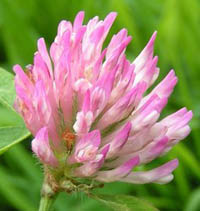
Clover blossom Photo courtesy Burpee. |
Collard Green Flowers
Collard flowers have the a lighter taste than the slightly bitter flavor of collard greens.
Use them with savory dishes. They are lovely in salads and to garnish soups.
|

Collard flowers. Photo courtesy Fat Free Vegan. |
Dandelion: Honey-Like
Hate those dandelions growing on your lawn? If they haven’t been sprayed with chemicals, pick them and eat them.
Dandelions are sweet and honey-like in flavor. The petals contain more iron than spinach and have a high percentage of vitamin A and vitamin C. Eaten raw or cooked, dandelions are often used to make dandelion wine or soft drinks that are consumed before meals to stimulate digestive functions.
Sold in most health food stores in a mixture, they are considered an excellent liver-cleansing tonic. “Dandelion and Burdock,” a naturally carbonated beverage made of fermented dandelions and burdock root, has been a long-time popular soft drink in the United Kingdom.
|

Dandelion. Photo courtesy Learning Herbs. Check out their 7 ways to eat dandelions. |
| Day Lilies or Golden Needles: Asparagus-Like
Crunchy and crisp like a lettuce leaf, daylilies have a sweet, mild vegetable flavor, like that of asparagus or zucchini.
The flowers of some species are edible and are sold fresh and dried in Asian markets as Golden Needles. They are used in hot and sour soup and moo shu pork. Remove the stamens and use the flower as an edible “bowl” for chicken or lobster salad or for ice cream.
|
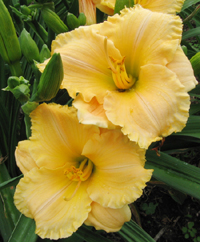
Day lilies. Photo courtesy Wikipedia. |
Dill
Dill flowers have perhape the most unique shape of the edible blossoms. The delicate yellow flowers taste like a mild version of the feathery dill leaves.
They are a lovely soup or salad garnish, or a plate garnish for many savory foods. |

Dill blossoms. Photo courtesy PX Here. |
Fennel
Since fennel has feather fronds like dill, it’s not surprising that the blossoms look related.
The delicate yellow flowers taste like a mild version of the licorice-like leaves. |

Fennel blossoms. Photo courtesy PX Here.
|
Fuchsia
The vivid red flowers are tangy and dramatic. |

Fuchsia blossoms. Photo courtesy PX Here. |
Gladiolus
The pastel blossoms are bland, but often served stuffed, or used as a salad garnish. |

Gladiolus blossoms. Photo courtesy High Country Gardens. |
Hibiscus: Cranberry-Like
Cranberry-like in flavor, the hibiscus has a tart character with citrus overtones.
A native of Africa and certain regions of Asia, the flower is often diced and mixed into fruit or vegetable salads. The fleshy blooms are tangy, a great stand-in for seasonal and tropical fruits like mango or papaya.
|
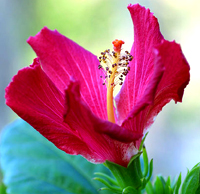
Hibiscus blossom. Photo courtesy Wikipedia. |
Hollyhock: Vegeta;
Bland and slightly vegetal like gladiolus, but the showy blossoms can be used as garnish. |

Hollyhock blossom. Photo courtesy PX Here. |
Kale Flowers
These blossoms from ornamental kale can be eaten, petal by petal. They kale from which they grow is often used as garden and lawan ornamentation. |

Kale flowers. Photo courtesy Harris Seeds. |
Impatiens
A bland flavor but vivid color. Some people candy them. |

Impatiens. Photo courtesy Old Farmers Almanac. |
Jasmine
Wonderfully perfumed. As with citrus blossoms, they need to be used sparingly so the scent doesn’t overwhelm the food.
Try them as a garnish for a tropical cocktail. |

Jasmine blossoms. Photo courtesy PX Here. |
Johnny Jump-Up
See pansies, below.
|
|
Lavender: Floral & Smoky
Lavender is sweet and floral in flavor, with hints of citrus. When lavender is dried, it releases its most potent fragrance. (In cooking, use one-third the amount of dried lavender as you would fresh.)
In the Mediterranean where it originated, lavender is used in sugars, custards, honeys, cakes, waters and vinegars. Its petals are customarily added to salads, slipped into glasses of champagne, or used as a garnish for sorbets or ice creams. We love to bake with lavender (pound cakes, cookies), use it as a garnish on frosting, and make lavender ice cream and iced tea.
Lavender lends itself to savory dishes too, taking rosemary’s place in recipes for things like chunky stews and wine-reduction sauces.
|

Photo courtesy PX Here. |
Lemon Verbena: Citrussy
The tiny white blossoms are not particularly flavorful, but have the scent of lemon.
Pair them with dessert, seafood and tea. |

Lemon verbena blossoms. Photo courtesy PX Here. |
Lilac
Lilacs range in color from pale to deep pink to the better-known purple.
The flowers are pungent, but the floral, citrusy aroma makes a nice garnish with desserts and tea. |

Lilac blossoms. Photo courtesy PX Here. |
Marigold
See calendula, above.
|
|
Mint
As with most herb flowers, the petals have a more subtle flavor akin to the leaves.
|

Mint blossoms. Photo courtesy TBR News Media. |
Mustard Flowers
|
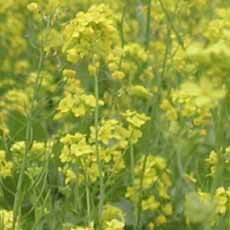
Mustard flowers. Photo courtesy Morguefile. |
Nasturtiums or Nose Twisters: Peppery
Nasturtiums are slightly sweet with peppery notes—similar to that of watercress. These blooms are high in vitamin C and come in hues like cream, scarlet, orange, yellow and two-toned. The pale and bicolor flowers tend to be milder in taste.
With a vibrant range of petal colors, these flowers make excellent complements to salads or vegetable dishes. Served as whole flowers or minced, nasturtiums rank as the most popular edible flower for culinary purposes. Whole nasturtiums can be stuffed with mousse, mascarpone or crème fraîche for an impressive appetizer. Try nasturtium mayonnaise with seafood salad. The buds are often pickled and used like capers.
|
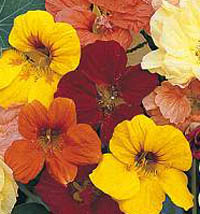
Nasturtiums. Photo courtesy Wikipedia. |
Oregano
The pink and white flowers deliver a subtle version of the leaf flavor. |

Oregano flowers. Photo courtesy National Gardening Association. |
Pansies or Johnny Jump-Ups: Wintergreen
These petals have a mild, tart wintergreen or grassy flavor with a sweet, light fragrance. The pansy’s entire bloom may be eaten without extracting. They are popular as dessert or salad decor and the blossoms are often served whole.
Pansies come in a variety of colors. An elegant way to serve these flowers is to place them atop a baguette slice or cracker topped with goat cheese. Use them in fruit dishes salads, pastas and drinks.
|
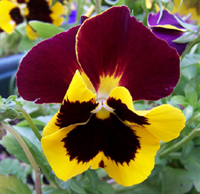
Pansies. Photo courtesy Wikipedia. |
Radish Flowers
Radish flowers grow in white and pink, depending on the variety of radish. They deliver a distinctive, peppery bite. |
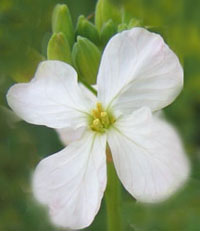
Radish flowers. Photo courtesy Wikipedia. |
Rose: Apple-Like
Most roses are edible but as with all flowers, they must be washed well and be free of chemical pesticides. The image to the right is of the sweetbrier rose, valued for its sharp apple-like fragrance of its foliage. Roses contain so much vitamin C that during World War II, they were eaten as a substitute for citrus fruits. In Middle Eastern cuisine, rose petals are distilled into syrups and rosewater, which are incorporated into pastries and confections. The darker the petal, the more flavor. Remove the white, bitter base and float the petals in drinks or scatter them across desserts.
|
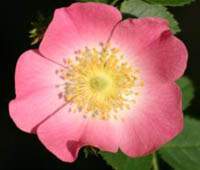
Fully opened rose blossom. Photo courtesy Wikipedia. |
Rosemary
The lavender-hued flowers taste like a milder version of the herb. Use them to garnish dishes that are seasoned with rosemary. |

Rosemary blossoms. Photo courtesy Thor | Wikipedia. |
Sage
The purple blossoms have a subtle flavor reminiscent of the leaves. |

Sage blossoms. Photo courtesy PX Here. |
Squash Blossom: Squash Essence
Squash blossoms of all varieties have a sweet, nectar-like aroma and a slightly raw taste. Stuffed, battered and deep-fried, these flowers of the summer squash plant yield a mildly sweet, nutty and earthy taste.
Mediterranean chefs traditionally remove the pistils and stamens from the unopened blossoms, and stuff them with flavored bread crumbs, herbs and ricotta cheese for a hearty, gourmet dish.
Like day lily buds, the squash blossoms are then dipped in a light batter and fried.
Acorn, patty pan squash, crookneck squash, summer squash and zucchini flowers are the most popular edible squash blossoms. Remove the stamens before preparing.
|

Above:squash blossoms ready to stuff (photo courtesy Good Eggs). Below: The blossoms left on the vine to open as pretty flowers (photo courtesy Wikipedia).
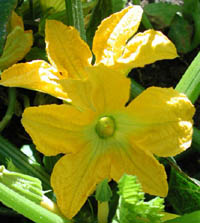
Squash blossoms unfurled. Photo courtesy Wikipedia.
|
Sunflower
The petals can be eaten, and the bud can be steamed like an artichoke.
Pull the individual petals off. |

Pull the petals off the flower for garnish. Photo courtesy PX Here. |
Violet
The blossoms are floral, sweet and beautiful as garnishes.
Use the flowers in salads and to garnish desserts and drinks. |

age blossoms. Photo courtesy PX Here. |
| |
|