THE NIBBLE (TM) - Great Finds for Foodies (tm)


RSS feed
(What’s this?)
Top Pick Of The Week

January 8, 2008

.
. .
 

Organic Bagel

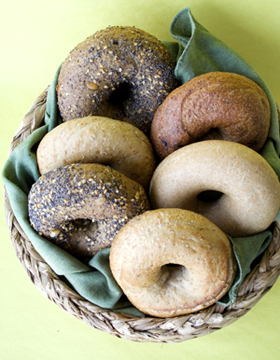
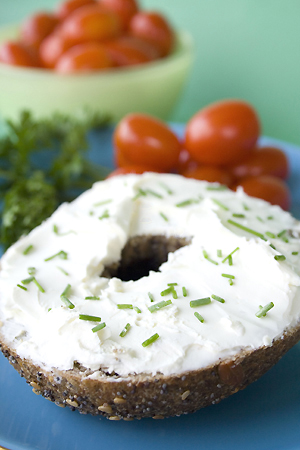
The guilt-free bagel (we won’t talk about the cream cheese): It delivers two servings of whole grains per day, it’s only 260 calories (regular bagels can be twice that and more)...and it’s delicious. Shown: the Sprouted Healthy Hemp bagel. Photography by Claire Freierman.

WHAT IT IS: Large, whole grain bagels.
WHY IT’S DIFFERENT: Bagels that are good for you, made from whole grains and sprouted grains. Bagels made without sweeteners (your regular bagels probably have HFCS or another sweetening agent). Bagels that are the right size, not overblown, so that you can enjoy the entire bagel for 260 calories instead of twice that. (Check the real weight and calorie count of the bagels you normally eat.)
WHY WE LOVE IT: Low calorie, tasty and a bagel.
WHERE TO BUY IT: FrenchMeadow.com
.

.
French Meadow Bakery:
Healthy, Whole Grain Organic Bagels

Bagels often get a bad rap from nutritionists and others who advise us on good eating habits. Supersized, they’re high in calories.* Made with white flour, they’re stripped of nutrients, no matter that the flour is “enriched.”† Made with sweeteners, they’re a secret source of sugar (often in the form of high fructose corn syrup). Many of them can’t be enjoyed plain, and require that we slather them with cholesterol-laden butter or cream cheese, piling on more calories. But please, don’t ask us to give up that bagel.

*No matter how you slice it, most bread is 70 to 100 calories per ounce; those big boy bagels can be five or six ounces. We laughed when we saw a calorie count for “2-ounce bagel, 160 calories.” Those are the teeny mini bagels, rarely found.

†When refined, the white flour used to make bread is stripped of fiber, magnesium, zinc and several other nutrients. Five nutrients are added back to “enriched” flour: the B vitamins thiamin, niacin, riboflavin and folic acid, plus iron.

French Meadow Bakery, with the wisdom of Solomon, has created the best of both worlds: whole-grain bagels that are large, have a modest number of calories (for the entire bagel, not just half), taste good and meet the USDA mandate of three to five servings per day of whole grains. They’re also USDA organic-certified.

You can use them for regular sandwiches, grilled cheese sandwiches, or as bagels, with traditional or calorie-conscious spreads. We love topping ours with FAGE Total 0% fat yogurt. Thick and creamy, it may not be cream cheese, but it suits these whole grain bagels beautifully. Read the full review below and see these beautiful bagels for yourself.

     
THE NIBBLE does not sell the foods we review
or receive fees from manufacturers for recommending them.

Our recommendations are based purely on our opinion, after tasting thousands of products each year, that they represent the best in their respective categories.


Enjoy More Whole Grain Foods

The New Whole Grains Cookbook Whole Grains Every Day King Arthur Flour
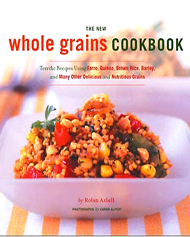
The New Whole Grains Cookbook: Terrific Recipes Using Farro, Quinoa, Brown Rice, Barley, and Many Others, by Robin Asbell. “No grain is left unturned” in this recipe book, which covers everything from breakfast to dessert. Click here for more information or to purchase.
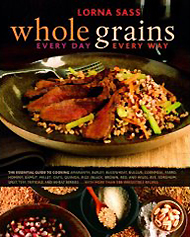
Whole Grains Every Day, Every Way, by Lorna Sass. A thorough primer on whole grains, including detailed profiles and simple cooking instructions for each. Great recipes for soups and salads, main courses, side dishes, breakfast foods and desserts. Click here for more information or to purchase.
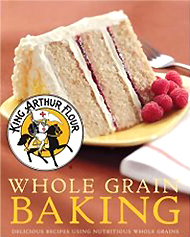
King Arthur Flour Whole Grain Baking: Delicious Recipes Using Nutritious Whole Grains, by King Arthur Flour. The manufacturers of fine flours have assembled 400 tempting, delicious and foolproof recipes with detailed nutritional information. Click here for more information or to purchase.

French Meadow Bakery: Healthy, Whole Grain, Organic Bagels

INDEX OF REVIEW

MORE TO DISCOVER

Imagine enjoying an entire, large bagel (3-1/2 inches in diameter, 3.5 ounces) for 260 calories, that delivers 20 grams of protein, no sugar and tons of flavor. Think of bagels with so much texture and flavor that they can be enjoyed plain, without a slathering of butter or cream cheese. And, the USDA wants you to eat three to five servings of whole grains daily: One bagel delivers two of them. Your nutritionist would encourage you eat these bagels. And French Meadow Bakery will ship them to you.

French Meadow Bakery has been producing healthy organic breads for more than 20 years—it’s the longest continuously-certified organic bakery in the country. There are 17 different types of loaves, plus pizza crusts, tortillas, even a gluten-free brownie and chocolate chip cookie. While we focused on bagels for this review, we look forward to trying the rest of the fare.

What’s in a regular bagel? Recipes vary from outlet to outlet, but here’s what’s in a Lender’s plain bagel (note that the third ingredient is high fructose corn syrup):

  • Enriched flour (high gluten wheat flour, malted barley, niacin, reduced iron, thiamin mononitrate [vitamin B1], riboflavin [vitamin B2], folic acid, ascorbic acid [dough conditioner]), water, high fructose corn syrup, yeast, salt, wheat gluten, calcium propionate and sorbic acid (preservatives), diacetyl tartaric acid esters of mono- and diglycerides, mono- and diglycerides, partially hydrogenated soybean and/or cottonseed oil, wheat starch, enzymes, cornmeal.

What’s sugar doing in a bagel? Look at the label of any enriched flour (white flour) bread you buy: many have sugar (or the cheaper high fructose corn syrup) to add flavor to the blandness of the flour. It adds unwanted calories and refined carbohydrates, too.

By comparison, here are the ingredients of the two closest “plain” French Meadow Bakery bagels:

BagelsIt looks like a “normal” basket of bagels, but these whole grain, high-protein, lower-calorie bagels from French Meadow Bakery avoid the empty calorie trap of standard bagels.
  • Sourdough Bagel: Stoneground organic white flour, filtered water, sea salt.
  • Spelt Bagel: Organic spelt flour (wheat), filtered water, organic spelt (wheat), sea salt.

Which would you rather feed yourself and your family?

What Are Whole Grains & Sprouted Grains?

About Whole Grains
Whole grains are cereal grains that have not been refined: The bran (which contains the fiber, B vitamins and minerals) and the germ (which contains antioxidants, B vitamins and vitamin E) have not been removed. Refined grains have only the third part, the endosperm (which contains the carbohydrate and protein)—the nutrients have been removed (see the chart below). Even if a refined flour is enriched, only some of the B vitamins, plus iron, are added back.

The nutrients in whole grains can help lower risks of heart disease, high blood pressure, type 2 diabetes and certain cancers. The U.S. Dietary Guidelines, released by the U.S. Department of Agriculture in 2005, recommend that Americans consume at least half of their grain servings as whole grains. That means three to five servings of whole grains per day. One serving equals:

  • 1 slice of whole grain bread
  • ½ whole grain English muffin or bagel
  • ½ cup cooked oatmeal
  • ½ cup cooked whole wheat pasta
  • ½ cup cooked brown rice, bulgur, barley or other cooked
    whole grain
  • 2 cups cooked popcorn

Whole grains include amaranth, barley, brown rice, bulgur, corn, millet, oats (and oatmeal), popcorn, spelt, sprouted grains, quinoa, Whole Grain Logowhole wheat flour and others. Look for products that list whole wheat flour as the first ingredient or have “whole grain” attached to the first ingredient listed on the package label—for example, “whole oats.” Some products also carry the Whole Grain Stamp developed by the Whole Grains Council.

Illustration courtesy of Wikipedia.org.

Whole Grain

About Sprouted Grains
Grains, seeds and nuts can be sprouted (think alfalfa, mung bean and radish sprouts). Many grains, including several that we typically eat in their more conventional milled-flour form (like wheat, barley, rye and buckwheat), can easily be sprouted to take advantage of the higher nutrition of sprouts (if you’re interested in how this happens, or want to sprout your own grains, you can find plenty of websites that take you through the process). A sprouted cup of these grains can contain as much as 25% of the recommended daily value for protein plus all nine essential amino acids, high levels of vitamins A, B, C, E and K plus calcium and magnesium. These same sprouts, that have been familiar as additions to salads and sandwiches and which make pretty plate garnishes, also make delicious bread products.

In addition to being beneficial to healthy people (they are rich in protective antioxidants), sprouted foods help people with digestive issues. When grains, seeds and nuts germinate, they retain their plant enzymes, which makes them much more easily digestible (sprouted grains are often recommended to people with irritable bowel syndrome and gluten allergies for this reason). Sprouting the grains completely, as French Meadow Bakery does, and using a yeast-free natural leavening process, are both very important to break down the complex carbohydrates and make the bread more digestible (and also so the body can absorb more of the nutrients). People who eat probiotic food should consider sprouted grains as well—they encourage friendly bacteria, keep the colon clean.

Bagel Varieties

Is there a more pleasant path to eating sprouted foods and whole grains than via a bagel? Three of the five varieties are sprouted, four are whole grain. The bagels arrive frozen and pre-sliced; a few seconds in the microwave restored them to oven freshness. All of the bagels are made with organic stoneground grains, unrefined sea salt and filtered (purified) water. They have no added sugar or other sweeteners; the line is yeast free; and though it should go without saying for an organic product, there are no additives, trans fats, preservatives, etc. When you look at the ingredients lists (available on the website), you can’t help but notice that, instead of ingredients that come from the chemical lab everything comes from the organic aisle (if not straight from the organic farm).

  • Organic Sourdough Bagels. Sourdough refers to the process of naturally leavening bread by capturing wild yeasts in a dough or batter—the way leavened bread was first made, as opposed to using domestic, cultured yeast, a technique which came later. The starter culture has a distinctively tangy or sour taste, hence the name. People who have enjoyed sourdough in loaf form can now have it in a healthy bagel. French Meadow Bakery’s sourdough is made with a yeast-free leavening process. (250 calories, 8g protein)
  • Organic Spelt Bagels. Spelt is a delicious grain that fortunately, is enjoying a renaissance. A subspecies of wheat, it was enjoyed by the ancient Romans and was an important staple in parts of Europe from the Bronze Age to medieval times. When you see it in your food store in any manifestation—sliced bread, rolls, crackers, tortillas—pick it up. You’ll be surprised by how much more flavorful it is than regular wheat products. These whole grain bagels taste very much like the whole wheat bagels we buy at our local bagel store (but without the sweetness from the sweetener in our store’s recipe). This flavor has a universal appeal; people who aren’t looking for a more exotic variety will enjoy them. (280 calories, 8g protein)
Spelt Bagel
French Meadow Bakery’s Spelt Bagel tastes very much like whole wheat.
Hemp Bagel
Sprouted Healthy Hemp is the most fetching-looking of the bagels, thanks to a generous sprinkling of five different seeds.
  • Sprouted Healthy Hemp Bagels. Hemp is an environmentally sustainable “wonder crop” and a very healthy food ingredient. Made up of 31% protein content, it contains all nine essential amino acids plus heart-healthy omega fatty acids 3 and 6, which help to lower cholesterol, burn excess fat and boost the immune system. Hemp is also high in fiber. Add it to a bagel with familiar poppy and sesame seeds, plus flaxseed, pumpkinseed, hempseed and several different flours and sprouted grains, and you have a dazzling and healthy version of an “everything” bagel with a sourdough tang.  (260 calories, 20g protein)
  • Sprouted Organic Bagels With Ezekiel 4:9 Grains. You may not be familiar with Ezekiel 4:9 sprouted grains, a trademarked grain mixture inspired by the Biblical verse from Ezekiel 4:9-17: “Take wheat and barley, beans and lentils, millet and spelt; put them in a storage jar and use them to make bread for yourself....”‡ When these six grains and legumes are sprouted and combined, they create a complete protein that closely parallels the protein found in milk and eggs, that contains all nine essential amino acids (and a total of 18 amino acids).
    ‡Bible, New International Version
The protein quality is 84.3% as efficient as the highest recognized source of protein—and that’s in a bread product. Talk about a nutritious bagel! It’s also low glycemic and diabetic friendly—and like all French Meadow Bakery bagels, it tastes great—similar to the multigrain bagel we buy at our local store. (260 calories, 13g protein)
Sourdough Bagel
Sprouted Ezekiel 4:9 Grains Bagel.
  • Sprouted Organic Wheat Raisin & Cinnamon Bagels. Tasting exactly like a whole wheat raisin bagel, this is an improvement, we think, on the run-of-the-mill, overly-sweet raisin bagel. The whole wheat adds a more profound flavor, and there’s no added sugar. (270 calories, 12g protein)

If you’re looking to make changes in your diet this year, the most painless one is to switch to these delicious whole grain, organic bagels. We bring them whenever we’re invited as a house guest or to brunch, along with a package of smoked salmon (more omega 3s) and some crème fraîche for our host to enjoy later. Who isn’t happy to have a dozen or two delicious bagels in the freezer?

—Karen Hochman


FORWARD THIS NIBBLE to bagel lovers who want to trade in that sugar-packed, white flour bagel for something better.

FRENCH MEADOW BAKERY BAGELS
Organic Sourdough Bagels, Organic Spelt Bagels, Sprouted Healthy Hemp Bagels, Sprouted Organic Bagels With Ezekiel Grains, Sprouted Organic Wheat Raisin & Cinnamon Bagels

Certified USDA Organic

  • 5 Bagels (17-Ounce Bag)
    Organic Sourdough, $2.99
    Organic Spelt, $3.50
    Sprouted Healthy Hemp, $3.00
    Sprouted Ezekiel Grains, $2.80
    Sprouted Organic Wheat, Raisin
    & Cinnamon, $2.80

Purchase online* at FrenchMeadow.com

*Prices and product availability are verified at publication but are subject to change. Shipping is additional. THE NIBBLE does not sell products; these items are offered by a third party and we have no financial relationship with respect to this sale. This link to purchase is provided as a reader convenience.

Organic Bagels


Check Out These Other Top Pick Of The Week” Bread Products:


FOR ADDITIONAL INFORMATION, special offers, contests, opinion surveys, THE NIBBLE prior issues archive, product gift-finder and more, visit the home page of TheNibble.com.

Do you have friends who would enjoy THE NIBBLE?
Click here
to send them an invitation to sign up for their own copy.


© Copyright 2004-2008 Lifestyle Direct, Inc. All rights reserved. All information contained herein is subject to change at any time without notice. All details must be directly confirmed with manufacturers, service establishments and other third parties. The material in this e-zine may not be reproduced, distributed, transmitted, cached, or otherwise used, except with the prior written permission of Lifestyle Direct, Inc.

.
Contact Us

Gourmet Giveaway


Dancing Deer

Green Mountain


.