This glossary is protected by copyright and cannot be reproduced in whole or part.
You are welcome to link to it.
GINKGO BILOBA
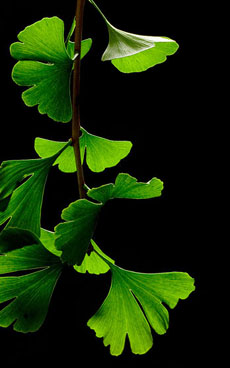
The ginkgo, or maidenhair tree, is the oldest surviving tree species on earth. It is the only remaining species of a large order that existed with the dinosaurs in the Triassic period, a tall deciduous tree with fan-shaped leaves. The herbal remedy ginkgo biloba is an extract of the leaves. It is believed to help prevent many conditions associated with aging: including Alzheimer’s Disease, memory loss, stroke, heart disease, impotence.
Ginkgo biloba leaves. Photo by James Field | Wikimedia.
GINSENG
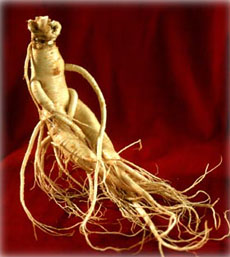
A licorice-flavored root that has been credited for centuries with being everything from an aphrodisiac to a sedative to a restorative. Recent scientific discoveries have linked ginseng to the treatment of high blood pressure. It is referred to as white ginseng when simply sun-dried. When steamed and dried over a fire or with other heat, it takes on a reddish tinge and is called red ginseng. Ginseng is used in soups, for tea and as a medicine.
GLUTEN
Gluten comprises a number of proteins that are stored together with the starch in the endosperm of various cereal grains. It is found in wheat, barley, rye, oats, related species and hybrids and products of these. Some people are sensitive to gluten and must avoid these grains. The severest form of sensitivity is celiac disease. The allergy creates inflammation that damages the lining of the small intestine.
Ginseng roots can resemble headless humans. Photo courtesy Dragonslist.com.
GREEN
A term that refers to products made from materials that are recycled, renewable or otherwise environmentally-friendly.
GREEN TEA
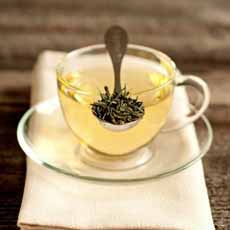
Tea made from leaves that are not fermented before they are dried, green tea’s antioxidants are five times higher than black tea. In March 2005, Spanish and British scientists released a study identifying a specific antioxidant compound called EGCG that prevents cancer cells from growing. Green tea is also high in vitamin C.
Green tea brew can be different shades of green, depending on the terroir and the processing. Photo courtesy Republic Of Tea.
GMO
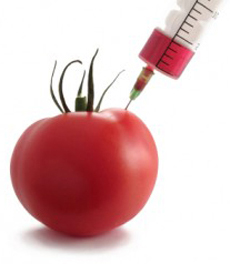
A GMO, or genetically modified organism, is one whose genetic material has been deliberately altered. Genes are combined from different organisms (recombinant DNA technology) and the resulting organism is said to be “genetically modified,” “genetically engineered,” or “transgenic.” The objective is to locate genes with important traits In the food industry, commercial strains of wheat have been modified by irradiation since the 1950s. The first commercially grown genetically modified food crop was a tomato created by Calgene called the “FlavrSavr.” Calgene submitted it to the U.S. Food and Drug Administration for testing in 1992; the FDA determined that it did not constitute a health hazard and did not need to be labeled to indicate it was genetically modified.
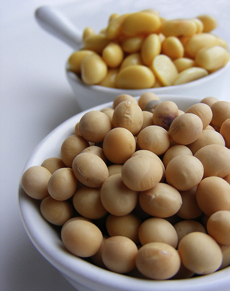
Photo courtesy WholeSoyCo.com.
It was released into the market in 1994, but was not deemed to have a good flavor; and it was off the market by 1997. Subsequent genetically modified food crops included virus-resistant squash, a potato variant that included an organic pesticide that kills caterpillars, and strains of canola, soybean, corn and cotton engineered by Monsanto to be immune to their popular herbicide Roundup. Animals also can be genetically modified: work is underway on fish that mature more rapidly. Genetic modification (GM) is the subject of controversy: because it can cause abnormalities within the product, the long-term impact on humans is unknown, and detractors would like to see it banned. Laissez-faire supporters simply want such foods to be clearly labeled so consumers can decide for themselves (the European Union and Japan have labeling and traceability requirements).
GUARANÁ
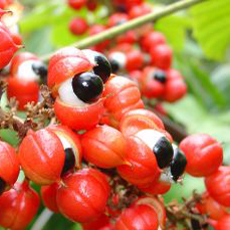
The guaraná plant, a woody, climbing shrub of the soapberry family (Paullinia cupana), grows in Brazil and Venezuela. Its seeds contain caffeine, and are added to soft drinks as a stimulant. It also helps to cleanse the body of lactic acid that builds up during exercise. There is an eponymous Brazilian carbonated soft drink made from the guaraná berry. The early inhabitants of the Amazon used guaraná to help maintain stamina and physical endurance.
Guaraná. Photo by Cleferson Comarela Barbosa | SXC.
HEMP
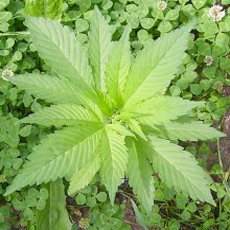
Not the marijuana plant, industrial hemp, a different genus of the plant, is considered a superfood and a superfiber, packed with protein, Omega-3 (ALA), Omega-6 (LA), Super Omega-3 (SDA), Super Omega-6 (GLA), and vitamin E. The plant contains pure, digestible protein, with a good balance of all eight essential amino acids. It has three times the vitamin E and twice the iron and magnesium of flax. It is made into culinary oil, hempmilk (a nondairy milk that is more digestible than soymilk) and snack bars; the shelled seeds are added to cereals, dressing, desserts, omelets, pasta, salads, smoothies, soup, yogurt and toasted as snacks.
A strain of hemp used for industrial purposes. Photo courtesy Hendrike | Natural-Environment.com.
HERBALS & SUPPLEMENTS
These are products designed to promote health and well-being. They are not always natural, but include all vitamins and supplements, and meal replacements, plus functional foods and beverages.
IRRADIATION
Food irradiation is the process of exposing food to ionizing radiation in order to disinfest, sterilize, or preserve food. It is, like most technology involving ionizing radiation, the subject of some controversy regarding its safety. Concerns have been expressed by activist groups that irradiation, by killing all bacteria in food, can serve to disguise poor food-handling procedures that could lead to other kinds of contamination. However, processors of irradiated food are subject to all existing regulations, inspections and potential penalties regarding plant safety and sanitization, including fines, recalls and criminal prosecutions.
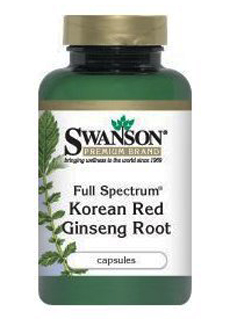
Some health-focused people take a variety of herbals and supplements in pill and powder forms. Photo courtesy Swanson Premium.
The effects of food irradiation have been studied for over 60 years. Independent scientific research on the subject has been extensive leading to endorsement of food irradiation by the U.S. Food and Drug Administration, the United States Department of Agriculture and the U.N. World Health Organization as a safe, effective and desirable process for the production of wholesome food.
ISOFLAVONE
A phytoestrogen found mainly in soybeans that is thought to have preventive health benefits when used as a nutritional supplement.



 Green tea, source of the powerful antioxidant