Photo glossaries of more than 100 foods and beverages let you explore your favorites. Take a look!
Get all new posts by email:
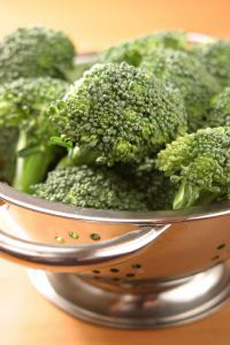
Broccoli is a member of the Brassica genus of vegetables, high in phytochemicals. Other members include bok choy, brussels sprouts, cabbage, kale, kohlrabi, mustard greens and turnips. Photo by Radek Bayek | SXC.
This glossary is protected by copyright and cannot be reproduced in whole or part.
You are welcome to link to it.
PESCATARIAN A pescatarian or pesco-vegetarianism follows a diet that includes fish or other seafood, but not the flesh of other animals. Most pescetarians maintain a lacto-ovo vegetarian diet with the addition of fish and shellfish.
PHYTOCHEMICALS
Photochemicals are found in plants, and include a variety of compounds, including flavonoids, that carry antioxidants. Examples of high-antioxidant phytochemicals include quercetin (a flavonoid found in berries, broccoli and leafy green vegetables, capers, citrus, cranberry, red grapes and others) had the highest CAA value, followed by kaempferol (found in apples, cabbage, onions, leeks and spinach), epigallocatechin gallate (EGCG, found in tea), myricetin (found in berries, fruits, grapes, vegetables and walnuts) and luteolin (found in basil, celery, parsley, peppermint, thyme and sweet peppers).
PHYTONUTRIENTS
Natural compounds found in plants (phyto is the Greek word for plant). Phytonutrients appear to be potent disease-fighters because of their antioxidant properties.
POLYPHENOLS
A large group of antioxidants that include anthocyanins, catechins, ellagic acid and quercetin, among other substances. The richest source of polyphenols, per serving, include (in order) black elderberry, black chokeberry, blackcurrant, highbush blueberry, globe artichoke heads, coffee (filtered), lowbush blueberry, sweet cherry, strawberry, blackberry, plum, red raspberry, flaxseed meal, dark chocolate, black tea, green tea, pure apple juice, apple, whole grain rye bread, hazelnut, red wine, soy yogurt, cocoa powder and pure pomegranate juice. Honorable mentions go to black olives, spinach, pecans, black beans, red onion, broccoli and soy milk (source). See antioxidants and our Antioxidant Glossary.
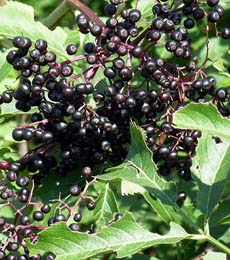
Many of us have never seen black elderberries, the food with the most polyphenols per serving. Photo by Jonathunder | Wikimedia.
PREBIOTIC or PREBIOTICS
Prebiotics are a type of dietary fiber that remains undigested in the intestine and serves as a food source for the probiotic bacteria (see below), to make them more effective. They can be fiber from common foods like bananas, barley, garlic, honey, onion and rye. Some prebiotics have been shown to enhance the absorption of important minerals like calcium. Learn about prebiotics.
PROBIOTIC
Having probiotic (friendly) bacteria like Bifidobacerium bifidus, L. acidophilus, L. bulgaricus, L. casei and S. thermophilus. Read more about probiotics.
PROBIOTICS
Probiotics are the healthy bacteria found among the intestinal microbiota, the living microorganisms in the intestinal tract that are necessary for proper digestive health. They are responsible for protective effects, including healthy turnover of cells in the intestinal tract, production of essential nutrients such as short-chain fatty acids and amino acids, stimulation of intestinal immunity and prevention of overgrowth of harmful organisms. Probiotics can also be found in fermented food products such as yogurt and in supplements. Research has only begun to scratch the surface about the health benefits of probiotics, but suggests that consumption of probiotics may positively enhance the immune response and allow for improved resistance to infectious diseases. There may be a strong indication for the use of probiotics in the treatment of numerous gastrointestinal diseases, including irritable bowel syndrome. Read our detailedarticle on probiotics and our Probiotic Glossary.
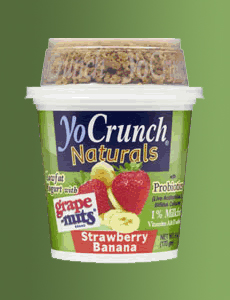
Manufacturers have gotten on the bandwagon to add probiotics to cheese, yogurt and other foods, including a line of Crystal Light, LiveActive. Photo courtesy YoCrunch.
RAINFOREST ALLIANCE
A U.S.-based conservation group and certifier that sets rigorous environmental standards for coffee, cacao and other products to protect the rainforest. It means that farms have met rigorous environmental and social standards including biodiversity, conservation and ecosystem protection plus worker protection, healthcare and education for children of the farm workers. Rainforest Alliance helps sustain the land; it does not guarantee a price to the farmer. For price guarantee, see Fair Trade Certified.
Image courtesy Rainforest Alliance.
RAW FOOD
Raw food cuisine—as opposed to raw food staples, like produce and fish—is a culinary philosophy where ingredients are not heated above 118°F (48°C). This precludes serving meat, with the exception of tartare or carpaccio, and raw fish such as ceviche or sashimi; however, many raw food practitioners and restaurants are vegetarian. Standard meat and fish proteins are replaced by legumes, nuts and soy. Since the foods’ natural enzymes and vitamins are not cooked away by heating, raw cuisine provides optimum nutritional value and health benefits, which are purported to include more energy, less proclivity to disease and a slower aging process. Raw foods also are low in carbs and sugar, and are excellent choices for people with food allergies. Far from being “grated carrot cuisine,” chefs have elevated raw food to the heights of haute cuisine (and it is just as labor intensive).
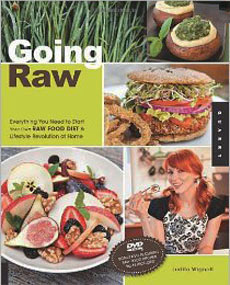
Include more raw food in your diet. Start with this book. Photo courtesy Quarry Books.
rBGH/rBST
rBGH is the abbreviation for Recombinant Bovine Growth Hormone, also called Recombinant Bovine Somatotropin (rBST). Somatropin is a genetically-engineered copy of a naturally-occurring hormone produced by cows, that is injected into dairy cows bi-weekly to increase their milk production. It is legal in only three countries: the United States, South Africa, and Mexico. Cows injected with rBGH have shorter life spans and are much more likely to suffer from udder infections; evidence is accumulating that rBGH may promote breast and prostate cancer in humans who drink milk from rBGH-treated cows. Milk from cows injected with rBGH cannot be certified organic. rBGH/rBST was one of the first major biotechnology-related products to enter the nation’s food supply: It was approved in 1993 by the Food and Drug Administration. Today, about 15% to 20% of U.S. dairy cows are injected with the hormone.
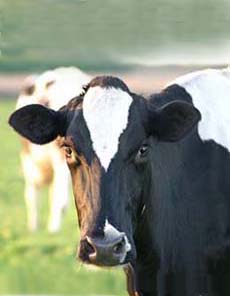
A Fresian dairy cow. Photo by Rob Waterhouse | SXC.
RECOMMENDED DIETARY ALLOWANCE OR RECOMMENDED DAILY ALLOWANCE OR RDA or PERCENT DAILY VALUE
The RDA is the estimated amount of a nutrient (or calories) per day considered necessary for the maintenance of good health by the Food and Nutrition Board of the National Research Council/National Academy of Sciences. It is popularly called the Recommended Daily Allowance. The RDA is updated periodically to reflect new learning.